
Scrimshaw
Lydia Wood
The Antiques Trade is always evolving and some fashions change just as quick as laws and regulations do. Just like with any trade there are rules and regulations that we must abide by, whether that is in terms of insurance or VAT or the actual legalities around what we are selling.
In June 2022 the Ivory ban came into force in the UK which fundamentally changed how we sell ivory pieces and we’ve had to learn to adapt to the new rules since then. Prior to the ban, it was legal to sell worked ivory pieces that predated 1947 but now there is a blanket ban on ivory sales, regardless of their age. There are a few minor exceptions including portrait miniatures and items which have an ivory content of less than 10%; for example an item with handles or inlay may be exempt but a licence from DEFRA is still needed in order to sell it.
Now, from the 28th of January 2025, the Government have further extended this ban to include the sale of Marine Ivory such as Scrimshaw and Narwhal tusks. Scrimshaw is the art of engraving or carving intricate designs into materials such as whale teeth or walrus tusks or bone from other marine animals. This craft is traditionally associated with sailors who began practising it during the 18th and 19th centuries and there has always been a strong collectors market for such items.
Ivory is a difficult topic and always evokes strong feelings on both sides of the argument. It is hard to get the balance right between preserving and respecting these historical items whilst also being able to protect the wild animals at risk as a result of the trade. If you are concerned that you might own a piece of ivory or scrimshaw there is no need to worry, it is not illegal to own the items it is only the sale and purchase that has been restricted.

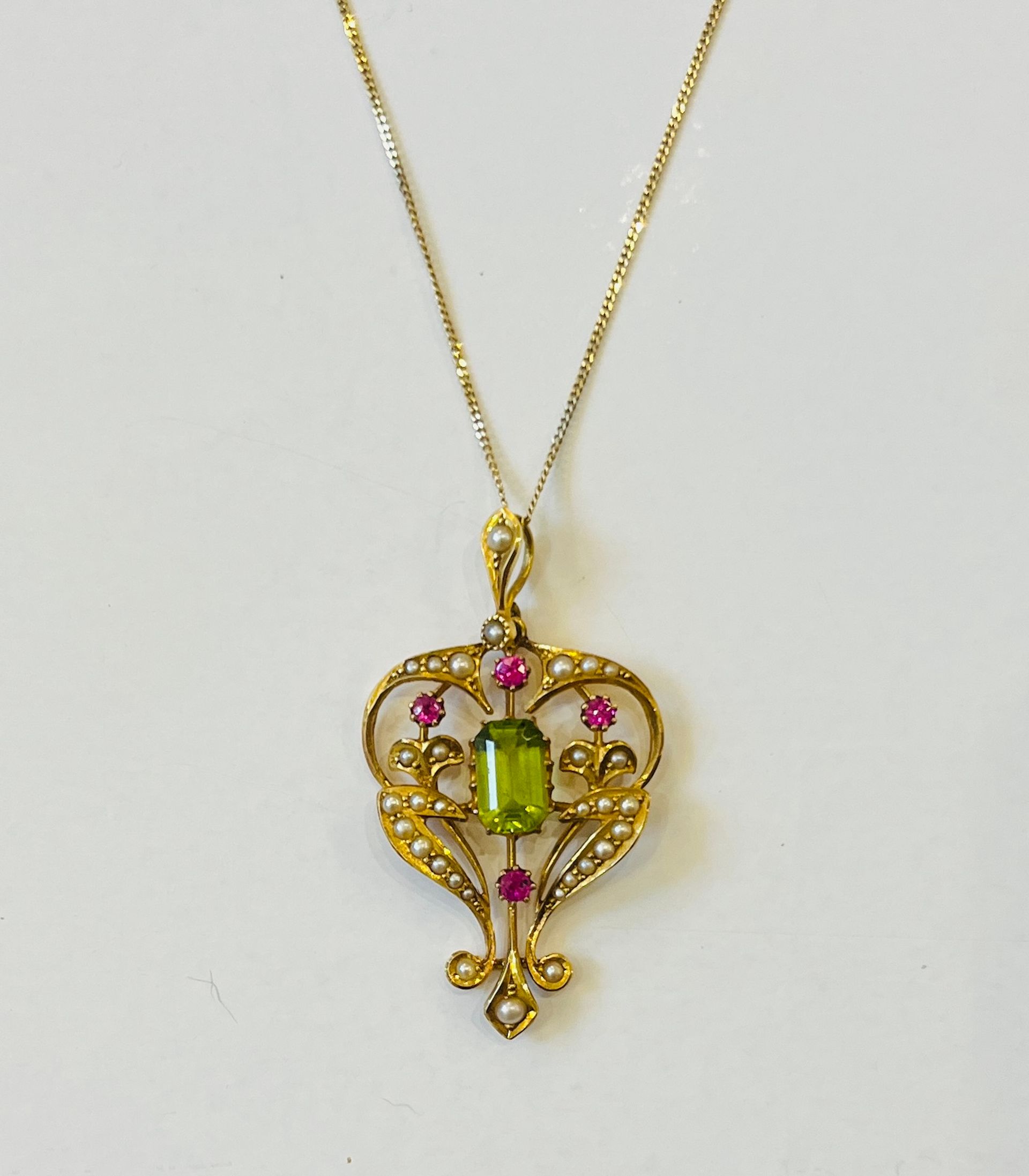
They say diamonds are a girl’s best friend but there is something truly special about antique jewellery. Whether it’s diamonds, pearls, rubies or emeralds, these pieces are not only beautiful but they tell us stories of the past. From the romantic designs of the Victorian era to the elegant forms of the Edwardian period and the bold geometric patterns of Art Deco, every age has its own distinctive style. A lot of modern jewellery today is mass produced and the manufacture is poor quality. Antique jewellery was almost always hand-made or at the very least hand-finished. Even in high-end bespoke modern pieces, it’s hard to find the same level of quality and workmanship as we regularly see in old jewellery. These pieces were lovingly created by skilled hands, using techniques and attention to detail that are increasingly rare today. Beautifully cut gemstones, intricate metalwork and delicate settings give each piece its own individuality and character. Not only is antique jewellery exceptional quality but it is often much better value when compared to new. There are no manufacturing costs to factor into the price and the value of antique pieces are usually based on their precious metal or gemstone content without having to add on a premium for the retailer. Not forgetting it is a much more environmentally friendly way to shop as well! My favourite piece at the moment is this Edwardian pendant. It has a typically Art Nouveau design with peridot, rubies and seed pearls set in bright 15ct gold. These colours - green, purple and white - hide an important message because these were the colours of the Suffragette movement. Wearing something like this would have been a subtle way to show your support for the movement without drawing too much attention. Jewellery has always been a way to express yourself - your style, individuality and beliefs and that’s exactly what this piece does.

Sometimes good craftsmanship and a good name can’t be ignored and that was certainly the case with this ‘Mouseman’ coffee table that I bought recently. It dates from the 1950s and usually I wouldn’t buy something from this era but I recognised the little carved mouse and knew that it was something special. This carved mouse is the signature of Robert ‘Mouseman’ Thompson (1876 - 1955) who made traditional handcrafted oak furniture from his workshop in Yorkshire. The story goes back to 1919 when he was carving wood with a fellow craftsman and they spoke about being “as poor as a church mouse”. Thompson carved a little mouse into the wood and decided it would make a distinctive trademark. The mouse soon became his signature and the workshop registered it as an official trademark in 1931. This table has stood the test of time due to its exceptional craftsmanship. Robert Thompson drew inspiration from the Arts and Crafts movement which emphasised good craftsmanship, honest materials, useful design and the beauty of things made by hand. The table is made from solid English oak and the top features a distinctive adzed finish, typical of Mouseman furniture, with a gently scalloped appearance. This beautiful ripple effect is made using an Adze and is done to show off the skill of the craftsman rather than using a flat machine-made finish. Robert Thompson not only made furniture but also smaller items such as bowls and bookends and there is a very good collectors market for his pieces, particularly the earlier items. The original workshop is still operating today and continuing the legacy under the name Robert Thompson's Craftsmen, with the carved mouse still being the defining feature of Mouseman furniture.
The body content of your post goes here. To edit this text, click on it and delete this default text and start typing your own or paste your own from a different source.
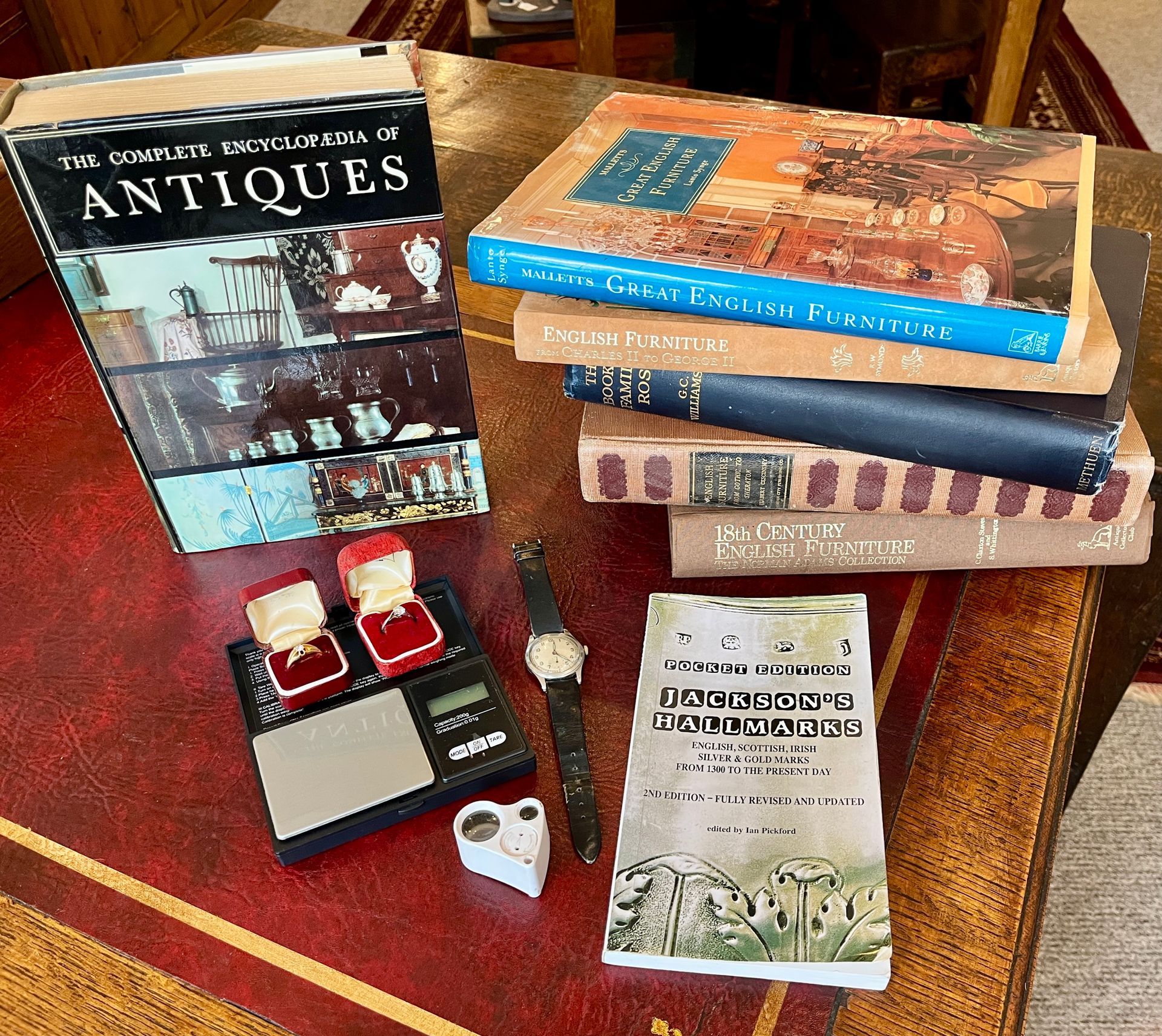
A big part of being an antique dealer is purchasing and appraising stock and I handle a huge variety of items from furniture to collectables, artwork, porcelain, glass and silver and gold. I’m always very happy to share my expertise and I love to learn and expand my own knowledge but it’s concerning how frequently I am now hearing “I’ve looked it up and Google says …” or “I’ve seen the same one online…” and more often than not, their findings are not accurate. I’ve never really rated the internet in terms of researching antiques and certainly not for valuing them. Whilst Google might be useful in identifying a Victorian dining chair it cannot easily spot a reproduction and it certainly cannot assess the condition which is one of the most important factors when it comes to value. An antique dealer can tell if any repairs have been made and assess if something has been refinished and even if two entirely different pieces have been married together. We can tell if a sofa has it’s original horsehair stuffing below new covers or whether it has been replaced with foam. We can test the purity of gold and silver, measure diamonds and check hallmarks. We can identify different woods and tell solid wood from veneer and this allows us to provide an accurate and realistic valuation. Even with the increasing prevalence of AI and searches like Google Lens, I still don’t think the internet can compete with first hand knowledge and experience gained and shared over a life time of buying and selling. My bookshelf at home is full of reference books and one of my favourite is ‘The English Regional Chair’ - 511 pages filled with hundreds of detailed photos and drawings covering the in depth development, region by region, of countless styles of chairs from all over England. This kind of knowledge simply cannot be found online. So if you have got something at home that you want to find out more about don't be afraid to get in touch or drop into the shop and we'll be happy to advise.

I was reminded of the glamour of the Art Deco period when I bought this beautiful silver dressing table box. It dates from 1934 and would have sat proudly on a ladies dressing table containing creams, powders or perhaps jewellery. It is made from sterling silver with a Guilloché enamel lid in a typically Art Deco fan shaped design. Guilloché enamel is a decorative technique, particularly popular in the early 20th Century, that combines engine turned metal engraving with transparent enamel to create shimmering, patterned surfaces. First, a skilled craftsmen makes the engraved pattern which creates tiny ridges and grooves that catch and reflect the light. Then a layer of transparent vitreous enamel is applied over the engraved metal and fired in a kiln. The enamel melts into a smooth, glass-like coating while remaining transparent enough for the engraved pattern underneath to show through. Fan shaped patterns like this are typical but I’ve also seen sunbursts, waves and circles. This complex technique results in the most beautiful shimmering surface whilst also adding colour and pattern. The precision engraving and enamel firing both require great skill, making Guilloché enamel expensive and sought after. Some of the most famous examples were produced by Faberge and are seen on their eggs and jewellery.

Given that it’s one of the oldest games in the world, it’s not surprising that I come across a fair few antique chess sets. They are most commonly made from wood although other materials such as glass, bone and even china are sometimes used. Good quality wooden sets are turned and carved from ebony and boxwood to provide the black and white pieces rather than having to be painted. The best sets usually have weighted bases which makes them nicer to hold and move. Jaques of London are considered to be one of the finest makers of chess sets and they are still going strong today. Jaques introduced the Staunton Pattern chess set in 1849 which is one of the most common designs that a lot of modern chess sets are based on. It’s hard to believe that before this there was no universal standard and chess sets varied wildly in design. The Staunton chess pieces got their name following the endorsement received from their namesake and world-renowned chess player Howard Staunton. Staunton was a top player of the 1840s as well as a writer and promoter of chess and he would play with these sets in tournaments and at other events. Over nearly 200 years the basic patented design has not changed and Jaques have made them in various different materials and sizes for players and clubs all over the world. Antique chess sets can be very collectable and a good Victorian Jaques chess set and board can be worth thousands!

Different regions of the country, whether that be England and Wales or right down to individual towns and counties, produced antiques that were often very specific to that area, shaped by the local traditions, history and available materials. With a long history of farming and mining, it’s no surprise that the Westcountry produced a lot of beautiful country furniture but another piece of striking Westcountry design is Troika Pottery. It has a rich history rooted in Cornwall, founded in St Ives in 1962 by three people Leslie Illsley (a sculptor), Jan Thompson (an architect) and Benny Sirota (a potter). The name “Troika” actually comes from the Russian word for “a group of three”, reflecting the three founders. The pottery was open until 1983 and Troika pieces are very recognisable because of their modernist, almost architectural look which draws influence from the different backgrounds of the founders. Troika pieces often use angular or geometric shapes and have heavy thick walls with rough textured surfaces decorated in abstract designs, sometimes resembling the chimneys of the Cornish tin mines This large piece is called a Double Base vase because of its shape and shows typical Troika colours and designs. Troika is very popular with collectors and some rare pieces can be very valuable. Condition is important and genuine pieces will always be signed to the base.

It’s easy to imagine how people lived in days gone by - what they wore, what they ate and the type of things they did - but we often forget when we are watching period dramas or looking at old paintings that odour was a real problem. Soap and hot running water were not readily available hundreds of years ago, clothes were not washed frequently and sewage ran through the streets! The only way to ensure you were smelling fragrant was to douse yourself in perfume or carry a pomander! A pomander is a small, often decorative object that was historically used to hold pleasant smelling substances like herbs, spices or perfume. This example has small holes all around it to allow the fragrant smell out - a bit like a portable air freshener! It would have been filled with aromatic materials such as cloves or ambergris and either worn around the neck or carried. This example dates from the late 1800s and has been turned and carved entirely from a Coquilla nut - the hard brown, egg shaped fruit of the Brazilian palm tree. Due to its very dense texture, rich colour and ability to take a fine polish it was highly popular in the 18th and 19th century for creating miniature carvings, snuff boxes, buttons, sewing items, and jewellery.

We're very excited to share that Lydia will be starring in the new Channel 4 series "The Antiques Riviera" for More 4. Devon isn't just home to beautiful beaches - it also boasts a thriving antique scene. This enlightening 6-part series follows the dealers, collectors and auctioneers of the Riviera as they meet people wanting to sell their treasures. The series promises antiques, ambition and a dash of rivalry where the stakes are high and the shelves never stay full for long! It's not only entertaining but also a useful insight into what dealers want - and what they'll pay for it.

I recently bought a large collection of old fishing reels dating from the early to mid 1900s. It was a varied collection including everything from wooden sea fishing reels to spinning reels and fly and salmon reels. The collection itself came in a lovely old fishing basket, called a ‘Creel’. These were traditionally made of wicker, willow, or split reed and were used by anglers to hold caught fish. The design allowed air to circulate which kept the fish cool and creels themselves can be quite collectable now. Fishing is actually a favourite past time of mine and there is no better way to spend a few hours than sat on a sunny river or lake bank with a rod. There’s a good collector’s market for antique and vintage fishing tackle and it is one of the few collector’s items that you could actually still use - from the old split cane rods to collections of hand-tied salmon flies and beautiful lures. I know that some people even favour the older equipment over today’s modern equivalents. Not only can it be usable but the old reels in particular make very decorative display objects and are collected for their rarity too. One name I always look out for is “Hardy”. Hardy Bros are one of the most well known and most respected manufacturers when it comes to fishing reels and fishing tackle. They were founded in 1872 in Alnwick by brothers William Hardy and John James Hardy. They were originally gunsmiths but began producing fishing tackle using the same meticulous workmanship and quickly became leaders in the field. They introduced many new features that soon became industry standards. So confident in their designs they released what they called the “Perfect” Reel in 1891. It featured a smooth ball-bearing race for the spool, providing unmatched smoothness and its basic design remains in production today!